
What Types of Support Do Assisted Living Staff Provide?
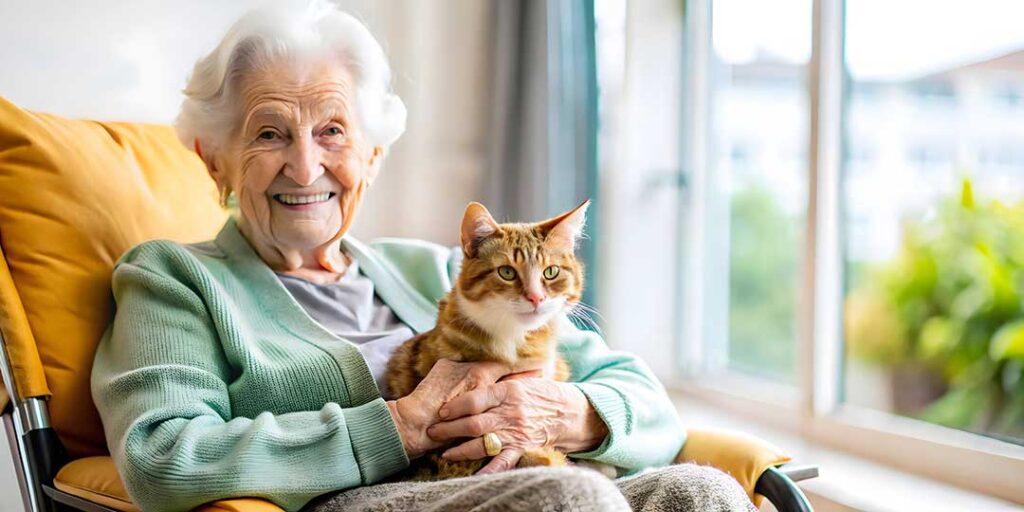
Assisted living staff help residents with daily routines such as bathing, dressing, and mobility, as well as providing companionship and safety monitoring. These staff members are trained to support residents’ needs while respecting privacy and independence.
In Danville, PA, staff are familiar with the pace of life and seasonal changes, adjusting care to factors like winter safety concerns or summer activities common in the area. Their approach combines practical support with local awareness, helping residents feel at home and secure.
How Do Staff Help with Daily Activities?
Assistance with daily tasks is thoughtfully tailored according to each person’s abilities and preferences. Staff provide:
- Help bathing, dressing, and grooming, while allowing residents to do as much as possible for themselves
- Gentle reminders or hands-on assistance with taking medications
- Mobility support, including helping residents in and out of bed or guiding them with walkers or wheelchairs as necessary
In local facilities, staff are mindful of the region’s changing weather, offering extra support during icy winter mornings, or encouraging light activity and time outside when the Susquehanna Valley’s weather is comfortable. Flexibility and encouragement help residents keep a sense of routine, no matter the season.
Are Meals and Nutrition Managed?
Assisted living staff often plan, prepare, and serve meals that meet nutrition guidelines for older adults. They pay close attention to special dietary needs, such as diabetes management, food allergies, or texture modifications that are common among aging adults.
Residents have choices at mealtimes but receive help as needed with:
- Menu selection to fit personal and nutritional needs
- Physical help with eating, for those with mobility or dexterity challenges
- Monitoring dietary intake, addressing signs of weight loss or dehydration
Local staff also consider favorite foods and menu traditions that may be popular within area households, providing familiar comfort foods during holidays or special occasions.
How Do Staff Support Social Engagement?
Staff play a key role in helping people feel connected and engaged. Socialization can boost mood and reduce feelings of isolation, especially for those who have recently moved to a new setting.
In the community, staff may:
- Facilitate small group activities or clubs
- Arrange transportation to social events—or bring local entertainment into the community
- Encourage participation in shared meals or recreational opportunities such as gardening, craft projects, or card games
They recognize that some residents prefer quiet reflection while others thrive in group settings. Respecting individual preferences, while gently offering options, is central to their approach.
What Safety Measures Are Provided?
Trained staff create a safe environment by preventing falls, responding to emergencies, and regularly checking on residents—especially overnight and during bad weather. In a region prone to icy sidewalks or occasional power outages, local staff pay close attention to environmental risks.
Safety support includes:
- Regular checks of walkways and common areas for trip hazards
- Monitoring for changes in health, such as increased confusion or illness
- Gentle reminders for use of mobility aids or safe footwear
- Emergency response systems enabling fast assistance
Staff are trained for emergency scenarios, from medical situations to building safety precautions, helping residents—and their families—feel more secure.
How Is Health and Wellness Supported?
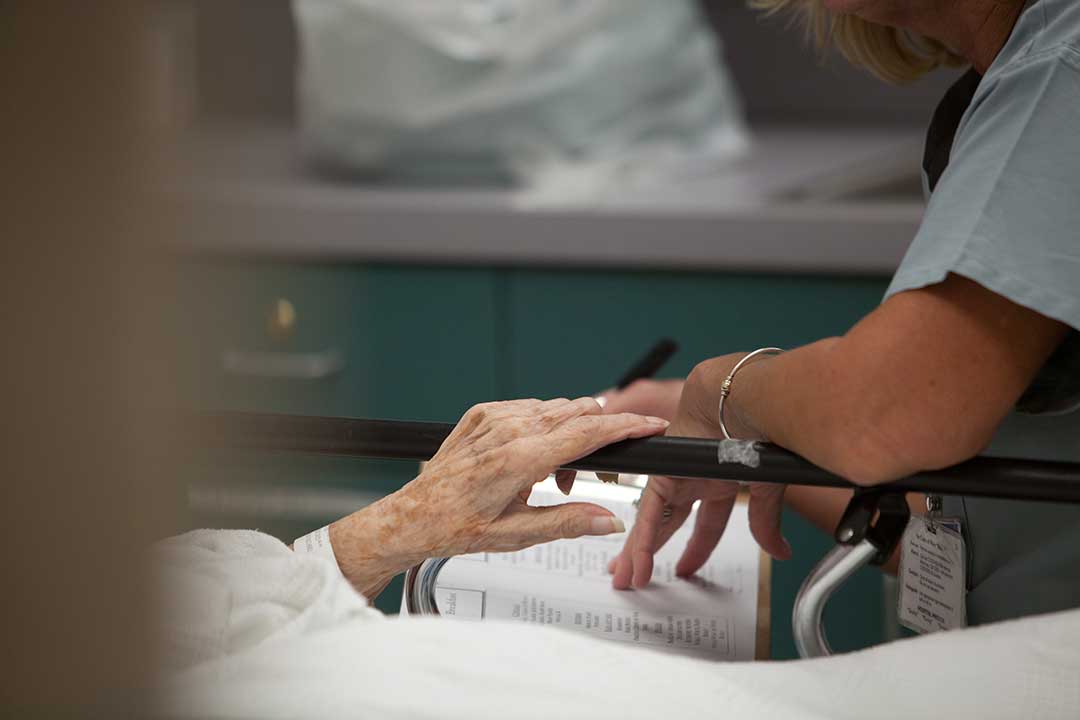
While medical care is generally provided by outside healthcare professionals, assisted living staff help coordinate routine health monitoring and wellness activities. This support can include:
- Tracking vital signs or blood sugar, as instructed by a physician
- Notifying families or healthcare providers of changes in habits or condition
- Encouraging participation in gentle physical activity, like stretching or walks when local paths are clear and accessible
- Providing access to visiting healthcare professionals such as physical therapists
This indirect health support helps area residents maintain better overall well-being without feeling overwhelmed by unneeded medical attention.
What Communication and Advocacy Are Available?
Residents and their families often value the approachable, ongoing communication provided by caring staff. Team members act as advocates, relaying concerns between residents, families, and healthcare providers when needed.
Common examples include:
- Helping residents understand forms, schedules, or appointment reminders
- Answering questions about daily routines or policies in a clear, respectful manner
- Noticing when someone seems less engaged or more withdrawn—and gently checking in
Staff strive to balance respect for privacy with attentiveness, helping family members stay reassured without overstepping residents’ autonomy.
What Are Common Misconceptions About Assisted Living Staff?
A frequent misconception is that all assistance is “one size fits all.” In reality, effective support involves careful observation and personal connection. Staff are trained to:
- Adapt support as residents’ abilities and interests change over time
- Encourage residents to make choices when possible, even in small matters
- Respect routines and traditions that may have been part of someone’s life in area households for decades
Staff cannot provide skilled nursing-level care, but they offer practical daily support that helps residents remain active and comfortable in a homelike setting.
