
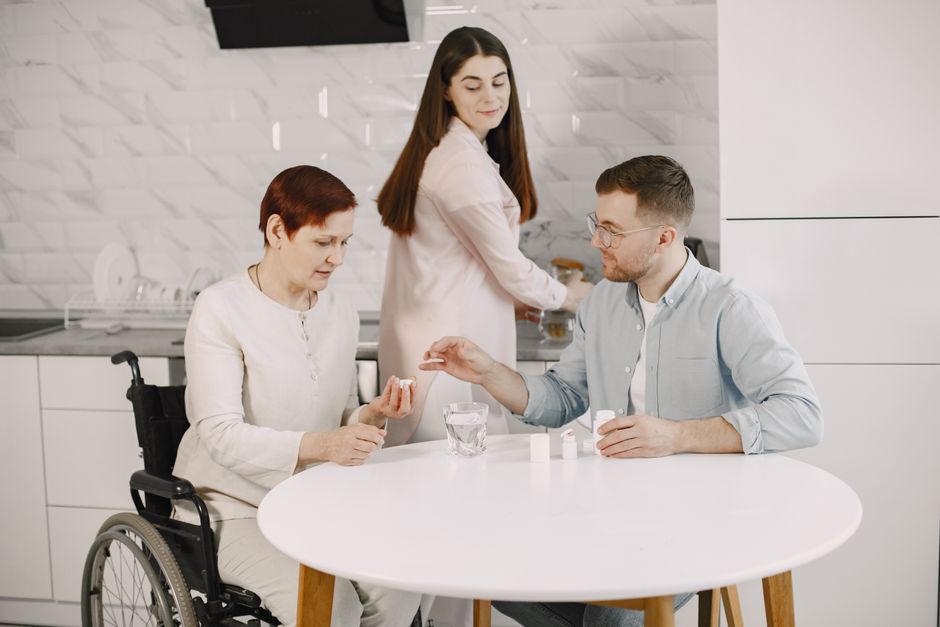
Assisted living amenities should support safety, independence, comfort, and everyday routines—not simply make a residence look attractive. For residents and families in Danville, PA, the most useful amenities are those that remain practical during winter weather, changing health needs, and the transition from private housing to a shared community setting.
Which amenities matter most in assisted living?
The most valuable amenities are usually related to personal safety, daily care, meals, transportation, social connection, and access to outdoor or indoor activity. A beautiful lobby may be pleasant, but reliable staffing, accessible bathrooms, emergency systems, and well-organized medication support have a greater effect on daily life.
A useful starting list includes:
- Private or semi-private apartments with accessible bathrooms
- Emergency call systems in bedrooms and bathrooms
- Three regular meals with snacks and accommodation for dietary needs
- Housekeeping and laundry assistance
- Transportation for appointments, errands, and community activities
- Secure outdoor areas and comfortable indoor common spaces
- Exercise, recreation, and social programs
- Medication reminders or administration, depending on the care plan
- Staff available at all hours
- Clear procedures for changing care needs
Amenities should be evaluated alongside the level of care provided. An attractive feature has limited value if staff members are not available to help residents use it safely.
What safety features should residents look for?
Safety amenities should be easy to understand, easy to reach, and routinely maintained. Residents should not have to search for a call button or remember complicated instructions during an emergency.
Look for:
- Emergency call buttons in the apartment and bathroom
- Pull cords or wearable alert devices
- Handrails in hallways and bathrooms
- Non-slip flooring and good lighting
- Wide doorways for walkers or wheelchairs
- Grab bars near toilets and showers
- Walk-in or low-threshold showers
- Clearly marked exits
- Backup plans for power outages, severe weather, and medical emergencies
- Secure entrances that balance protection with residents’ independence
Bathrooms deserve particular attention because falls often occur during bathing, toileting, or transfers. Check whether a resident can turn around comfortably, reach controls, and enter or exit the shower without stepping over a high barrier.
For households in Danville, seasonal conditions also deserve consideration. Ask how residents move safely through entrances and parking areas during snow, ice, heavy rain, or very cold weather. Covered drop-off areas, well-maintained walkways, and indoor routes to dining and activity spaces can make a meaningful difference.
How important are dining amenities?
Dining is both a health service and a daily social activity. Residents should ask to see a sample menu and learn how meals are handled for diabetes, food allergies, swallowing concerns, low-sodium diets, or other medical needs.
Useful dining features may include:
- A dining room that is comfortable and easy to navigate
- Flexible meal times or alternatives when a resident misses a meal
- Assistance for residents who need help opening packages or cutting food
- Snacks and beverages available between meals
- Quiet seating for residents who become overwhelmed by noise
- Menus that change regularly
- Staff who understand special diets and texture modifications
- Access to water throughout the day
A dining room can look appealing while still being difficult for someone with limited vision, hearing loss, or mobility concerns. Notice the lighting, noise level, table height, chair stability, and distance from the resident’s apartment.
What apartment features improve independence?
An apartment should provide privacy while allowing residents to manage familiar routines. The layout matters more than decorative finishes.
Consider whether the living space includes:
- Enough room for a walker, wheelchair, or visiting family member
- An accessible bathroom with adequate turning space
- Temperature controls that are simple to use
- Windows that provide natural light
- Space for familiar furniture and personal belongings
- Easy-to-reach storage
- Good sound control between apartments and common areas
- Safe flooring without loose rugs or abrupt transitions
- Internet or telephone access if those services are important to the resident
Ask whether residents may bring a small refrigerator, favorite chair, photographs, or other meaningful items. Familiar surroundings can make a new setting feel less institutional and may help preserve established habits.
Which health and personal-care amenities are useful?
Assisted living is not the same as a nursing facility, and the services offered can differ considerably. Families should ask exactly what help is available now and what happens if needs increase.
Questions may include:
- Can staff provide medication reminders or medication administration?
- Is help available with bathing, dressing, grooming, or toileting?
- How are changes in weight, mobility, mood, or memory recognized?
- Is there a nurse on site, on call, or available at certain times?
- How are appointments and outside medical services coordinated?
- What happens after a fall or hospital stay?
- Can the residence support residents who develop more complex needs?
- Are additional services charged separately?
Personal-care amenities may include an accessible beauty or barber area, bathing assistance, continence support, and private spaces for visiting clinicians or family meetings. These features are practical only when staffing levels allow residents to receive help without excessive delays.
How do transportation and location-related amenities affect daily life?
Transportation can determine whether residents remain connected to medical care, family, shopping, religious activities, and community life. Ask how often transportation is provided, whether reservations are required, and whether vehicles can accommodate mobility equipment.
Important details include:
- Scheduled medical transportation
- Transportation for errands and group outings
- Assistance getting from the building to the vehicle
- Weather-related cancellation procedures
- Seat belts and wheelchair-accessible options
- Policies for family transportation
- Whether transportation is included or billed separately
A residence may offer transportation but have limited availability during busy periods. A written schedule and clear explanation of fees are more useful than a general promise that rides are available.
What activity and social amenities should be available?
Activities should offer choices rather than pressure residents to participate. A balanced calendar may include exercise, music, crafts, games, educational programs, quiet hobbies, spiritual opportunities, and outdoor time.
Look for:
- A comfortable lounge for conversation
- A library or quiet reading area
- Space for arts, crafts, or games
- Exercise equipment appropriate for older adults
- Secure outdoor seating and walking paths
- Regular opportunities for small-group and one-to-one activities
- Family visiting areas
- Programs that accommodate hearing, vision, or mobility limitations
Outdoor space is especially valuable during pleasant seasons, but it should not be the only option. Indoor walking routes, sunlit sitting areas, and accessible activity rooms help residents stay engaged when weather limits outdoor time.
How can families compare amenities fairly?
A simple feature checklist is helpful, but observing the daily atmosphere is equally important. Visit during a meal, ask to see an apartment and bathroom, and watch how staff interact with residents.
Compare:
- Safety features and emergency response procedures
- Apartment layout and accessibility
- Meal quality and dietary flexibility
- Staffing availability
- Transportation schedules
- Activity variety
- Cleanliness and maintenance
- Privacy and noise levels
- Additional fees
- Plans for changing care needs
Ask current residents, if possible, whether staff respond promptly, whether meals are dependable, and whether activities are actually offered as scheduled. Also ask how often amenities are inspected, repaired, or changed.
The right amenities are not necessarily the most numerous. They are the features that help a resident move safely, eat well, maintain personal routines, stay connected, and receive appropriate assistance without giving up more independence than necessary.
