
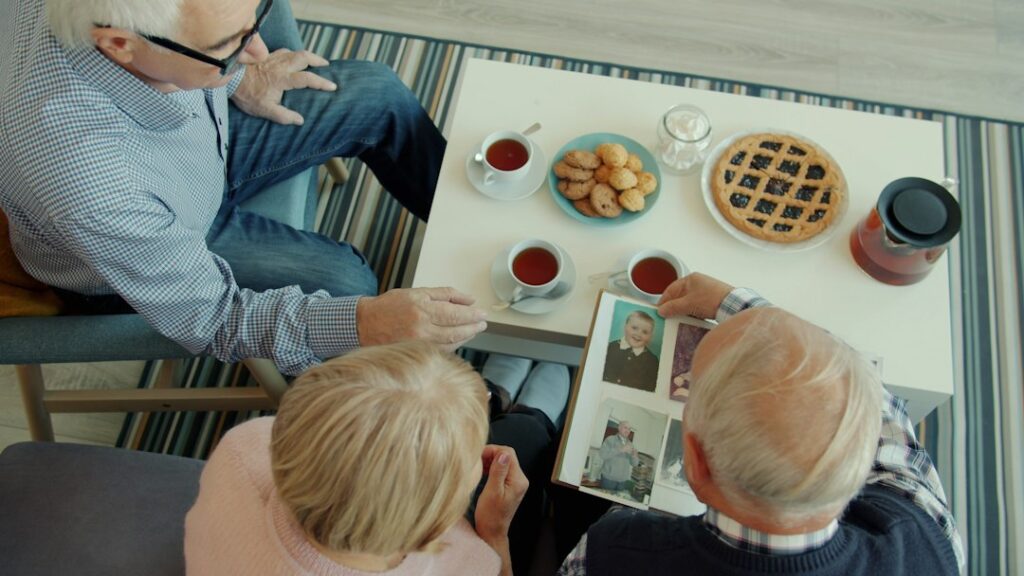
Moving to assisted living can bring relief, worry, sadness, and uncertainty at the same time. Older adults often need time to adjust not only to a new residence, but also to a different daily rhythm, unfamiliar surroundings, and changes in privacy or independence. Families can make the transition easier by offering steady support without taking over.
What is the hardest part of the transition?
The most difficult part is often the loss of familiarity. A senior may be leaving a long-term home filled with personal routines, memories, neighbors, and belongings. Even when the move is medically or practically necessary, it can still feel like a major loss.
Common reactions include:
- Sadness, irritability, or frequent criticism
- Trouble sleeping or changes in appetite
- Repeated requests to return home
- Withdrawal from activities or conversations
- Confusion about schedules, rooms, or staff members
- Anxiety before family visits end
These reactions do not necessarily mean the move was a mistake. Adjustment may take several weeks or longer, particularly for someone living with memory loss, hearing impairment, depression, or multiple health conditions.
The first goal is not to make the resident enjoy every aspect of assisted living immediately. A more realistic goal is to help the person feel safe, recognized, and increasingly familiar with the new environment.
How can families prepare before moving day?
Preparation works best when it is gradual and specific. If possible, involve the older adult in decisions about clothing, decorations, daily routines, and which belongings will come along.
Before the move, discuss:
- What the new apartment or room will look like
- Where meals are served
- How medications, bathing, transportation, and activities are handled
- Which personal items can make the space feel familiar
- What the first few days will involve
Avoid presenting the move as a vacation or temporary visit if that is not accurate. Misleading explanations may create distrust after the transition. Use simple, honest language that acknowledges the reason for the move while emphasizing what will remain familiar.
For a household in Danville, PA, seasonal conditions may also affect planning. Cold weather, snow, and shorter winter daylight can make moving day more tiring and limit outdoor activities during the first weeks. Packing warm clothing, comfortable shoes, reading materials, and familiar indoor hobbies can help maintain a sense of normal routine.
Which belongings help a new room feel like home?
Familiar objects can provide comfort, orientation, and conversation starters. The most useful items are often practical rather than expensive.
Consider bringing:
- A favorite chair, quilt, lamp, or small table
- Family photographs with names written on the back
- A familiar clock or calendar with large, easy-to-read numbers
- Preferred toiletries and grooming supplies
- A radio, books, puzzles, crafts, or music
- A favorite mug or other safe everyday item
- Seasonal decorations that reflect the person’s traditions
Avoid overcrowding the room. Too many objects can create fall hazards, make cleaning difficult, or become confusing for someone with dementia. Secure loose rugs, keep walking paths open, and ask about restrictions on electrical equipment, candles, appliances, or furniture.
A simple room layout is often easier to navigate. Keeping the bed, chair, bathroom path, and frequently used items in consistent locations can reduce frustration.
How often should family members visit?
Regular visits are generally more helpful than occasional lengthy visits. A predictable schedule gives the resident something to anticipate and can reduce the feeling of abandonment.
Visits do not need to be elaborate. A family member might:
- Share a snack or read aloud
- Take a short walk indoors or outdoors when conditions permit
- Look through photographs
- Help organize clothing
- Attend a meal or activity
- Listen without immediately correcting complaints
During the first weeks, shorter visits may be better than long gatherings. A tired resident may become overwhelmed by too many people, loud conversations, or frequent changes in plans.
Family members who live farther away can support continuity through phone calls, letters, photographs, or video conversations if the resident is comfortable using technology. A large printed calendar showing upcoming visits may be easier to understand than verbal reminders alone.
Should families encourage activities?
Yes, but pressure can have the opposite effect. Activities should be offered as opportunities rather than obligations.
A senior may need several invitations before feeling comfortable joining a group. Start with activities that match existing interests, such as music, gardening, faith-based practices, exercise, card games, crafts, or current events. Smaller gatherings may be less intimidating than crowded rooms.
It can also help to introduce the resident to one person at a time. A familiar staff member, neighbor, or activity leader may become an important point of connection.
Participation should not be judged only by attendance. Sitting near others, listening to music, eating in a common area, or having a brief conversation may represent meaningful progress.
How can families support independence?

Adjustment is easier when the older adult still has choices. Assisted living changes the amount of support available, but it should not eliminate personal control.
Offer choices such as:
- Which outfit to wear
- Whether to attend an activity
- What time to call
- Which personal items to display
- Whether to eat in the dining room or another permitted setting
- Which hobbies to continue
Avoid correcting every small decision or completing tasks the resident can safely manage. Taking over may unintentionally communicate that the person is incapable. At the same time, do not expect independence in areas that create a real risk of falls, medication errors, wandering, or injury.
The appropriate balance may change from day to day. Fatigue, illness, pain, and poor sleep can temporarily reduce a person’s ability to manage familiar tasks.
What if the senior keeps saying, “I want to go home”?
Arguing usually does not resolve the underlying emotion. “Home” may represent safety, control, privacy, or a desire for familiar people rather than a specific building.
A calmer response might be:
- “You miss your home and your usual routine.”
- “This feels unfamiliar today.”
- “Let’s sit together and look at your calendar.”
- “Would you like tea, a walk, or to call someone?”
After acknowledging the feeling, gently redirect attention to a concrete activity. Repeating the facts about why the move was necessary may increase distress, especially for someone with memory impairment.
If the request to leave is persistent, examine possible causes such as pain, constipation, hunger, loneliness, overstimulation, a noisy roommate, poor lighting, or difficulty finding the bathroom. Behavioral changes are sometimes signs of a treatable physical problem.
When should families be concerned?
Some distress is expected, but sudden or worsening changes deserve prompt attention. Families should share concerns with the appropriate care team if the resident has:
- New confusion or unusual sleepiness
- Repeated falls or near-falls
- Significant weight loss or refusal to drink
- Ongoing sadness, panic, or hopelessness
- Aggression that is new or escalating
- Hallucinations or severe nighttime restlessness
- Unexplained bruises, injuries, or medication concerns
A sudden change can result from infection, medication effects, dehydration, pain, or another medical issue rather than simple difficulty adjusting. Safety concerns and possible abuse, neglect, or urgent medical symptoms require immediate action through the proper emergency or regulatory channels.
How long does adjustment usually take?
There is no fixed timetable. Some residents begin to settle within a few weeks, while others need several months. Progress may be uneven: a person can have a comfortable week followed by a difficult day.
Families can help by keeping expectations realistic, maintaining familiar routines, and sharing useful information about the senior’s preferences, communication style, history, and calming strategies. Notes about favorite foods, former occupations, hobbies, cultural practices, and important relationships may help staff provide more individualized support.
The transition is usually more successful when the older adult is treated as a participant in daily life rather than as a problem to be managed. Consistent reassurance, familiar belongings, respectful choices, and patient observation can gradually turn an unfamiliar residence into a place that feels secure.
